How to Prepare for a Winter Storm – My Personal Checklist for Safety & Survival
When a winter storm warning hits, it's not just about snow. It's about freezing temperatures, power outages, and being ready for the unexpected. After facing a severe snowstorm in Michigan where I was stuck without power for two days, I made this personal checklist. This guide will help you prepare step by step so you and your family stay safe, warm, and informed.
My Story – Why I Made This Winter Storm List
Last year, a sudden snowstorm hit my area in Michigan. Roads were blocked, power was out, and stores were closed. I had no heat, no backup, and I wasn't ready. It felt scary.
After that, I promised myself I'd never be caught unprepared again. I spoke to neighbors, read FEMA and Red Cross guidelines, and started building my own checklist. This blog is the result of what I've learned from real experience, not just theory.
Step-by-Step Guide: How to Prepare for a Winter Storm
This is the full checklist I now follow every winter:
1. Stay Informed – Weather Alerts Are Key
You can't prepare if you don't know what's coming.
- Sign up for local emergency alerts via SMS
- Install weather apps like AccuWeather, NOAA Weather Radar, or Weather Underground
- Follow your local news stations on Facebook or Twitter
- Set up a battery-powered weather radio (in case Wi-Fi goes out)
Pro tip: I use the same alert system to check for snow day closures too!
2. Stock Up on Emergency Essentials
At least 3 days' worth of the following:
- Drinking water (1 gallon per person, per day)
- Non-perishable food (canned soup, granola bars, peanut butter)
- Manual can opener
- Flashlights and extra batteries
- Blankets, sleeping bags, winter coats
- Portable phone charger or power bank
Why this matters: Stores often sell out the day before a storm hits. You'll be thankful you planned ahead.
3. Check Your Heat Sources
No power = no heat in most homes.
- Test your space heaters before winter begins
- If you have a fireplace, stock up on firewood
- Have extra blankets and thermal wear ready
- Keep hand warmers (cheap and effective!)
- Close off unused rooms to preserve heat
Important: Never use indoor grills or camp stoves inside the house. It can cause carbon monoxide poisoning.
4. Prepare for Power Outages
Winter storms often knock out power. Be ready.
- Charge all devices before the storm
- Invest in a battery backup for your phone or router
- Know how to manually open your garage door
- Store extra gas for generators (only use outdoors)
- Keep a backup light source in every room
After losing power for 2 days, I started using solar-powered lamps too. They saved me one cold night.
5. Protect Your Pipes from Freezing
Frozen pipes can burst—and repairs are expensive.
- Keep a slow drip running from faucets during freezing temps
- Open cabinets under sinks to allow warm air flow
- Wrap pipes in insulation foam
- Know where your main water shut-off valve is located
Quick fix: In a pinch, wrap towels around exposed pipes.
6. Prep Your Car for Emergencies
If you must drive during or after a storm, be smart.
- Fill your gas tank in advance
- Keep a winter emergency kit in the car:
- Ice scraper
- Blanket
- Flashlight
- Bottled water
- Protein bars
- Jumper cables
- Extra gloves and socks
- Switch to winter tires and check brake fluid
I once got stuck on a snowy highway with no charger or food. Now I keep a full kit in my trunk all winter.
7. Create a Family Communication Plan
If you get separated, how will you reconnect?
- Write down a list of emergency contacts
- Choose a meet-up location in case you lose power or cell service
- Teach kids how to call 911 and basic safety rules
- Keep a written list of phone numbers in your emergency bag
Even if you live alone, this is key. Your family or neighbors may need to reach you too.
8. Secure Pets and Animals
Don't forget your furry family members.
- Stock extra pet food and water
- Keep a pet-safe warm sleeping area indoors
- Never leave pets outside or in cars during a storm
- Use pet booties and jackets if going outside
I always store an extra bag of pet food in my winter bin, just in case roads are blocked.
9. Prepare Your Home Exterior
Small tasks can prevent big damage.
- Bring in outdoor furniture or decorations
- Clean gutters to prevent ice dams
- Trim branches that could fall on your home
- Place salt or sand on walkways before the snow hits
- Check your roof for weak spots
I once skipped this step and ended up with water leaking through a frozen gutter. Never again.
10. Keep a Printed Winter Emergency Plan
If your phone dies or there's no signal, you'll need a paper copy of:
- Emergency numbers
- Supply checklist
- Family meeting locations
- Shelter locations nearby
- Local utility company phone numbers
This may seem old-fashioned, but when you lose power or Wi-Fi, paper wins.
Bonus Tip: Stay Mentally Ready Too
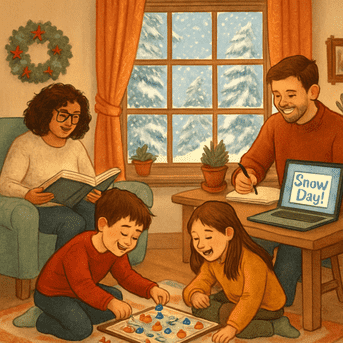
Storms can be stressful. Long hours indoors can lead to anxiety or boredom.
- Keep books, puzzles, or board games on hand
- Charge your tablet with a few downloaded movies
- Take turns checking on elderly neighbors or friends
- Don't panic—stick to the plan
Final Thoughts: Don't Wait Until It's Too Late
Winter storms are getting more unpredictable every year. After what I experienced in Michigan, I can tell you this: a little preparation goes a long way.
Start early. Don't wait for the first alert. Your future self will thank you when the lights go out and you're safe, warm, and ready.
TL;DR – My Personal Winter Storm Survival Checklist
- Stay informed with alerts and weather apps
- Stock up on food, water, blankets, and flashlights
- Have backup heat and light sources
- Protect your pipes
- Prep your car with emergency gear
- Create a family communication plan
- Secure your pets
- Winter-proof the outside of your home
- Keep a printed emergency plan
- Stay calm and check on others
Frequently Asked Questions
Q1: How do I prepare my home for a winter storm?
A1: Start by insulating pipes, sealing windows, checking heating systems, and stocking up on emergency supplies like food, water, flashlights, and blankets.
Q2: Should I fill my bathtub with water during a winter storm?
A2: Yes, if there's a risk of losing water service. The water can be used for flushing toilets or washing in an emergency.
Q3: How to prepare a house for extreme cold weather?
A3: Close off unused rooms, use draft stoppers, run a faucet at a trickle to prevent freezing pipes, and have extra blankets or alternative heating ready.
Q4: Which is the safest place to be during a winter storm?
A4: The safest place is indoors, away from windows, preferably in a room with heat, supplies, and communication tools like a charged phone or radio.
Q5: What is the safest room to be in during a storm?
A5: Choose an interior room without windows—such as a hallway, bathroom, or basement—especially if there’s a risk of falling trees or flying debris.
Q6: What to buy to prepare for a winter storm?
A6: Buy water, canned food, flashlights, batteries, a first-aid kit, warm clothing, portable heaters, and backup power banks or generators.
Q7: Is it safe to take a shower during a winter storm?
A7: If there's no lightning or power risk, it's generally safe. But if the storm involves high winds or ice, avoid using running water during electrical instability.
Q8: How to flush a toilet during a hurricane?
A8: If water service is disrupted, pour a bucket of water directly into the toilet bowl to flush. You can use stored water from the bathtub or containers.
Q9: Why do people fill their bathtub before a storm?
A9: To store clean water for hygiene, flushing toilets, or washing if the main water supply is disrupted during or after the storm.
Q10: How to prep your house for a storm?
A10: Board up windows if needed, secure outdoor furniture, stock supplies, check backup heat sources, and keep flashlights ready.
Q11: What was the worst blizzard in history?
A11: One of the worst was the 1888 Great Blizzard in the U.S., which caused over 400 deaths and shut down major cities for days.
Q12: What should be in a winter emergency car kit?
A12: Include a blanket, flashlight, snacks, water, shovel, ice scraper, first-aid kit, jumper cables, hand warmers, and a phone charger.